
5 Things Inspectors Look For That Most Providers Miss
Date: February 12, 2026
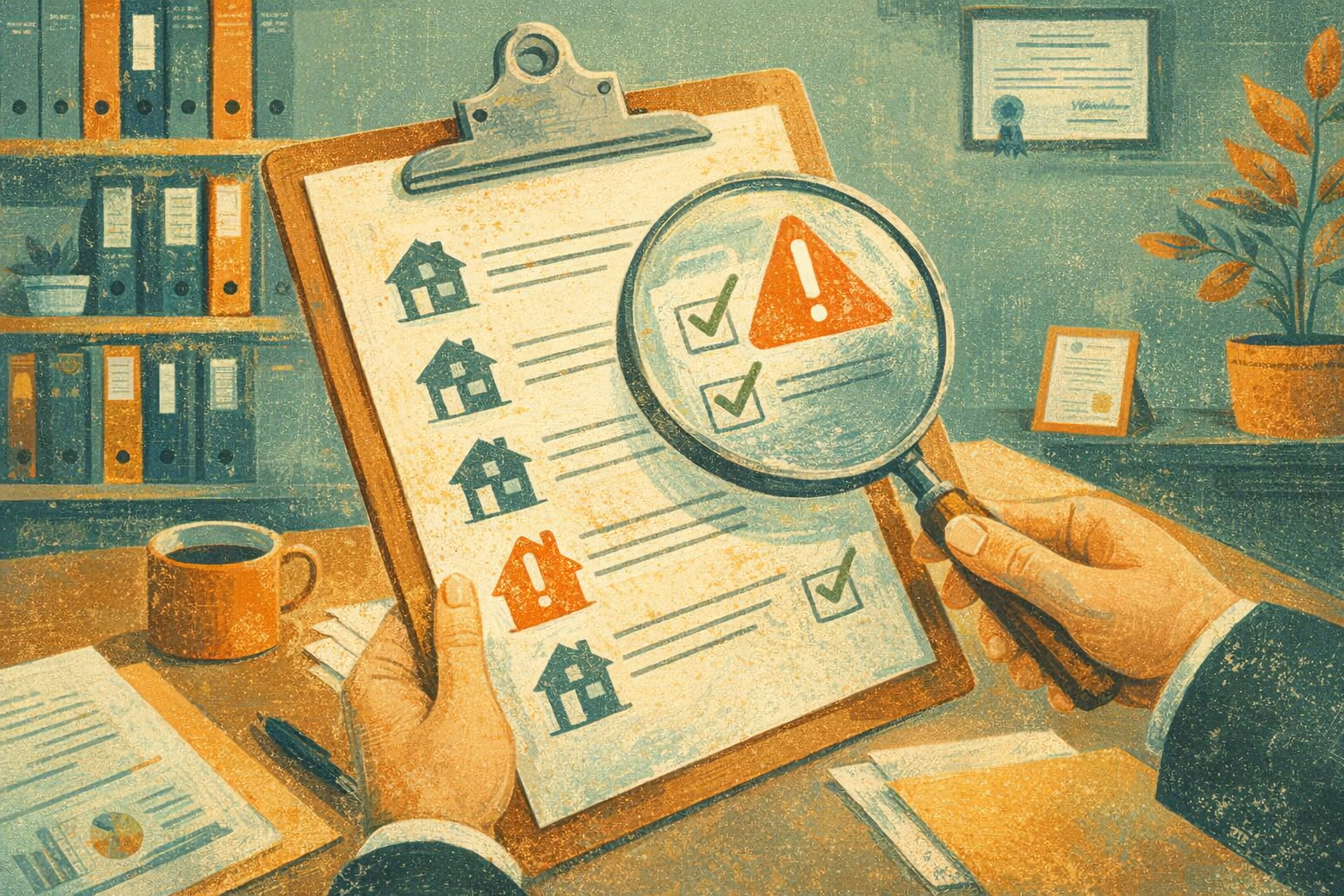
TL;DR: ODP inspectors go beyond the basics. The most common citations come from rights documentation that doesn't fit the individual, fire safety gaps beyond drill logs, medication administration errors, training records that lack relevance, and physical site conditions that signal neglect. Here's what to fix before your next visit.
The Inspection Reality Check
You've done your fire drills. Your medication logs are filled in. Your training binders are on the shelf. So why do citations keep showing up?
Because ODP inspectors aren't just checking for paperwork. They're checking whether your paperwork reflects reality. After working with dozens of 6400 and 6500 providers across Pennsylvania, we've seen the same five blind spots come up over and over.
Here's what most providers miss and how to fix it before your next visit.
1. Rights Documentation That Actually Fits the Person
Having a signed rights form isn't enough. Inspectors want to see that rights were communicated in a way the individual actually understands.
What they're checking:
- Adapted formats for individuals with limited literacy or non-verbal communication
- Rights restrictions tied to the ISP through a formal rights team review, not blanket house rules
- Staff who can explain specific individuals' rights when asked directly
A form in a filing cabinet doesn't prove anything. A form designed for the person does. (55 Pa. Code § 6400.32)
2. Fire Safety Beyond the Drill Log
Monthly drills? Every provider has those. But inspectors dig deeper:
- Individual evacuation plans for anyone who can't exit within 2.5 minutes
- Varied drill times across different shifts and conditions
- Documented smoke detector checks and fire extinguisher inspections
If all twelve of your annual drills happened between 10 AM and 2 PM on weekdays, expect questions. If your logs read identically month after month, expect a citation. (55 Pa. Code § 6400.84-88)
3. Medication Administration Gaps
Medication citations are among the most serious findings a provider can receive. And the failures are usually systemic, not one-off mistakes.
Common gaps:
- Expired staff training certifications for medication administration
- Discrepancies between prescriber orders, pharmacy labels, and what's logged
- PRN entries that say "given for agitation" with no context, outcome, or follow-up
- Expired or improperly stored medications sitting in the cabinet
Here's a quick test: pull a random individual's medication log from last month. Cross-reference it against their prescriber's orders and pharmacy labels. If there's one discrepancy, there are probably more. (55 Pa. Code § 6400.166-168)
4. Training Records That Prove Competency
Tracking hours is easy. Proving those hours were relevant and effective is where providers struggle.
Inspectors have shifted focus from quantity to quality:
- Training content should match the population you serve. Generic modules won't cut it if your individuals have autism-specific or behavioral support needs.
- New staff orientation must be complete before they work alone. If someone's first solo shift predates their orientation, that's a serious finding.
- ISP-specific training needs real documentation, not just a signature on an attendance sheet.
The question inspectors are really asking: can you prove each staff member was trained on the specific needs of every individual they support? (55 Pa. Code § 6400.46)
5. Physical Site Conditions
Inspectors walk through your home with fresh eyes. What they see tells them a lot about how you operate.
Details that get flagged:
- Hot water over 120°F at accessible taps (inspectors carry thermometers)
- Windows designated as emergency egress that don't fully open
- Cleaning supplies or sharp objects accessible in unsecured cabinets
- Chronic disrepair: peeling paint, broken fixtures, burned-out lights
That last point matters more than you think. A well-maintained home signals that you take the dignity of the people living there seriously. Inspectors notice. (55 Pa. Code § 6400.61-82)
Stop Waiting for the Inspector to Find It First
The best providers don't treat compliance as an annual event. They build self-inspection into monthly operations and catch problems before they become citations.
That's why we created a free Self-Inspection Checklist built specifically for Pennsylvania 6400/6500 residential providers. It covers everything above and more. Your program managers can complete a full internal review in under an hour.
Download the Free Self-Inspection Checklist
Use it monthly. Use it before every inspection. Use it every time you onboard a new home.
FocusCare LLC partners with Pennsylvania IDD and Autism residential providers to strengthen compliance and streamline operations. Visit focuscarellc.com to learn more.

Written by
Jovanie Rosario
Founder & CEO of Focus Care. Over a decade of technical expertise driving innovative IT solutions for disability service providers in the Intellectual Disability and Autism sector.
Ready to Transform Your Care?
Contact us today for a free consultation and discover how Focus Care can elevate your services.
Schedule Your Free Consultation